
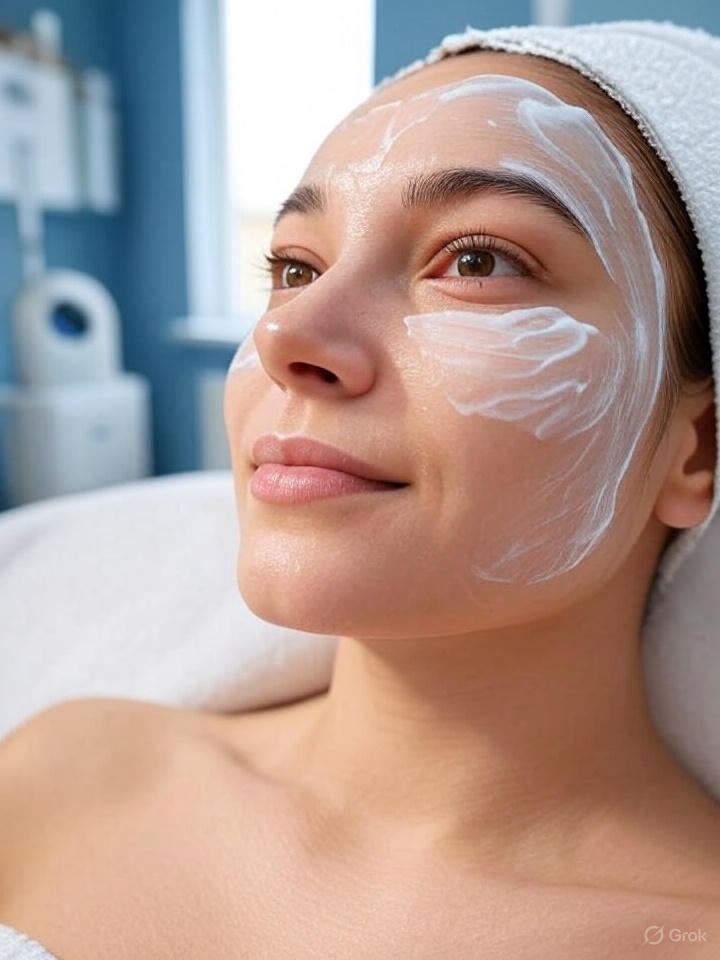
Hyperpigmentation — the dark spots, melasma, post-inflammatory marks — can seem impossible to get rid of, but a good brightening cream can help make those spots a distant memory. When it comes to choosing one, it’s all about matching the product to your skin, the kind of pigmentation you have, and using it consistently and safely. Here’s a helpful guide to assist you in making the right choice.
Recognize the Type of Hyperpigmentation (Step 1)
Not all dark spots are the same. Freckles and sunspots are different from melasma (often hormone-related) or post-inflammatory hyperpigmentation (marks left after acne or injury). Some respond better to topical therapy than others. If your pigmentation is new, spreading, or widespread, it’s best to see a dermatologist for proper evaluation and a personalised plan.
Look for Proven Active Ingredients
A brightening cream is only as effective as its ingredients. Look for formulas containing one or more of these evidence-backed actives:
- Vitamin C (ascorbic acid): Antioxidant that brightens and evens out skin tone over time.
- Niacinamide: Gentle, reduces pigment transfer and strengthens the skin barrier.
- Azelaic acid: Ideal for acne-related dark marks and sensitive skin.
- Tranexamic acid: Helpful for melasma and stubborn pigmentation.
- Retinoids (retinol, tretinoin): Increase cell turnover and fade spots—can be irritating, so start slowly.
- Kojic acid, arbutin, licorice extract: Plant-derived brighteners with mild but effective results.
- Hydroquinone: One of the strongest topical brighteners; often prescription-only and requires medical supervision.
- AHAs/BHAs (glycolic, lactic, salicylic acids): Chemical exfoliants that break down pigmented cells when used correctly.
No single brightening product will include all ingredients — and that’s okay. Choose based on your skin type, irritation threshold, and pigment concerns.
Consider Concentration, Formulation and Texture
Higher concentrations often act faster but can cause irritation. Beginners or sensitive skin types should start with lower strengths and increase only if tolerated. Creams are ideal for dry skin; gels or serums suit oily or acne-prone skin.
Packaging is important too: vitamin C and retinoids degrade with light and air, so choose opaque or pump-style packaging.
Tailor Ingredients to Your Skin Type and Sensitivities
If your skin is sensitive, opt for milder options such as niacinamide, azelaic acid, or low-dose vitamin C. For acne-prone skin, look for non-comedogenic formulas and consider salicylic acid or azelaic acid.
Avoid harsh physical scrubs — they may worsen pigmentation, especially in darker skin tones. Always patch test any new active before applying it to your entire face.
Safety: Patch Testing, Sun Protection and Pregnancy Concerns
Patch testing is essential. Apply a small amount to an area for a few days to ensure your skin tolerates it.
Many brightening agents increase sun sensitivity, so daily broad-spectrum sunscreen (SPF 30–50) is non-negotiable.
If you’re pregnant or breastfeeding, avoid certain ingredients (like strong retinoids) and consult your doctor.
Realistic Expectations and Consistent Use
Brightening creams take time — expect gradual improvement over 8–12 weeks, sometimes longer for deeper pigmentation. Consistency is key. Skipping sunscreen or irregular use slows progress.
If there’s little to no improvement after a few months, visit a dermatologist. Some pigmentation types improve faster when combining topical treatments with in-clinic procedures such as chemical peels or laser therapy.
When to See a Professional
Consult a dermatologist if your pigmentation is persistent, worsening, or if you are unsure which ingredients suit you. They can prescribe stronger treatments such as hydroquinone, tretinoin, or tailor-made combinations for faster and safer results.
Quick Checklist Before You Buy
- Is the active ingredient appropriate for your type of pigmentation?
- Is the concentration suitable for your skin sensitivity?
- Is the product non-comedogenic and well-packaged?
- Will you use it consistently with daily sunscreen?
- Are you pregnant, nursing, or on medication — and have you checked if the product is safe?
Final Thoughts
Choosing the best brightening cream for hyperpigmentation comes down to understanding your skin, knowing which ingredients work, and managing expectations. Start slowly, be consistent, protect your skin from the sun, and don’t hesitate to seek professional advice.
With thoughtful selection and regular use, clearer, brighter, more even-toned skin is absolutely within reach.