Perusta sinäkin oma Blogaaja.fi blogi ilmaiseksi >>
Lainaa.com

Is Botox better than other treatments for hyperhidrosis?

Hyperhidrosis — the official term for excessive sweating — can be upsetting, frustrating and (for many people) emtoionally humiliating. From the underarms, hands and feet to even the face, regular sweating can become an obstacle to everyday life and confidence. That’s why many of us seek treatment, and one of the most talked about treatments are Botox.

But is Botox really better than other treatments that work for hyperhidrosis? Here, in plain English and natural language is an easy-to-understand explanation to guide you in making an informed choice.

Mechanism of Action
How Botox Treats Underarm Hyperhidrosis

Botox functions by temporarily interrupting nerve signals that stimulate sweat glands. Once injected into the targeted source of sweating, usually in the underarms, it blocks signals that stimulate sweat production.

Most people start seeing improvement within a few days, and the full effect is typically evident in about two weeks. Results typically last 4-6 months (though some people find their results lasts longer).

Botox currently has FDA approval for axillary hyperhidrosis (underarm sweating) so it is one of the most effective clinical solutions available now.

Botox for Sweating Compared to Other Treatments

To determine if Botox is the superior approach, you need to compare it with other treatments typically employed.

Topical Antiperspirants (Prescription & OTC)

Lots of people begin with clinical-strength or prescription antiperspirants with aluminum chloride.

Pros

  • Non-invasive
  • Accessible and inexpensive
  • Suggested for light to moderate sweating

Cons

  • Often ineffective for severe hyperhidrosis
  • Can cause skin irritation
  • Needs regular, ongoing use

How Botox compares: Botox provides a better and more predictable reduction in sweating, especially if you’re not responding well anymore to antiperspirants.

Oral Medications

Anticholinergic pills like glycopyrrolate are sometimes used to treat sweating.

Pros

  • May be aimed at sweating over the entire body
  • Convenient to take

Cons

  • Side effects like dry mouth, vision disturbances, constipation
  • Not suitable for long-term use

How Botox compares: Botox does not induce systemic side effects and selectively acts on the site of injection, and thus is considered to be a good candidate for local treatment in hyperhidrosis.

Iontophoresis

It’s all about directing a gentle current of electricity through water to stop sweating on palms or tails.

Pros

  • Good for palm, hand and plantar foot sweating
  • Non-surgical

Cons

  • Time-consuming (multiple weekly sessions)
  • Maintenance treatments needed
  • Not ideal for underarms

How Botox compares: Botox is faster and more convenient, but iontophoresis might be preferable to those who don’t like shots for hands and feet.

Laser or Energy-Based Treatments

More recent technologies such as microwave thermolysis (MiraDry is an example) target and destroy sweat glands.

Pros

  • Long-lasting or permanent reduction
  • Suitable for underarms

Cons

  • High cost
  • May cause swelling, numbness or nerve sensitivity
  • Not suitable for all areas

How Botox compares: Although Botox is not permanent, it is less invasive and with fewer risks, and gives predictable results.

Surgical Options

For most severe cases ETS may be indicated.

Pros

  • Permanent result

Cons

  • Major surgery
  • High risk of compensatory sweating
  • Irreversible

How Botox compares: Botox is much safer and should be tried before any type of surgery.

Is Botox the Best Option?

The reason is that Botox has the perfect combination of potancy, saftey and convenience. It is particularly beneficial for:

  • Underarm hyperhidrosis
  • Individuals in whom topical antiperspirants have failed
  • Those who want a nonsurgical solution that’s actually been proven to work
  • People who desire quick and noticeable results

But Botox might not be the best option if:

  • You want something that will last long-term
  • You sweat excessively on palms or feet and want non-needle options
  • Cost is also an issue, as Botox needs to be repeated.

How Long Do Results Last?

Nearly everyone has 4–6 months of significant decrease in sweating. With repeated treatments some people have seen continued improvement and others only need to come in twice yearly, because the sweat glands do not return.

Potential Botox for Hyperhidrosis side effects

Botox is safe, although some minor temporary side effects can occur:

  • Slight swelling at injection sites
  • Bruising
  • Passing muscle weakness (least in hands)

These generally go away pretty of fast and don’t interfere with everyday activity.

Final Judgment: Is Botox a Better Solution Than Other Treatments?

Yes, most people prefer Botox for hyperhidrosis treatment as it:

  • Fast and reliable results
  • Minimal downtime
  • Proven safety
  • High success rates for underarms
  • Selective relief that does not influence the remainder of the body

But the “best” treatment for you will depend on how much you sweat, your preference for invasiveness, area of treatment and long term goals. By discussing options with a professional aesthetic practitioner, or dermatologist you’re able to make the best informed decision on the right plan for you.

What are the most conservative treatments for hyperhidrosis?

Hyperhidrosis, the medical term for excessive sweating is an issue that millions of individuals deal with throughout the world. While sweating is a normal response to heat and stress, individuals with hyperhidrosis sweat in amounts greater than that which is required for proper thermoregulation. It can be completely embarrassing, unpleasant, and interfere of life. Fortunately, modern dermatology has a number of non-invasive, non-surgical treatments that can provide effective management of perspiration production.

In case you’re searching for some alternatives that don’t involve surgery or extended downtime, here’s a guide to the least invasive hyperhidrosis treatments — and how they work.

Understanding Hyperhidrosis

You may have hyperhidrosis in several areas of your body, or it might occur only in one area. These include your:

  • Underarms
  • Palms
  • Soles of your feet
  • Face
  • Scalp

It can be primary, with no underlying health problem that is the cause, or it can be secondary to medical issues or certain medications. Although it’s not risky, the condition can be particularly devastating in terms of confidence and 24 hour comfort – so much so that treatment is a must for many.

Topical Clinical-Strength Antiperspirants

Prescription or clinical-strength antiperspirants are one of the first line of treatments to moderate hyperhidrosis. These usually include aluminum chloride, which blocks sweat glands temporarily.

Why it’s considered least invasive

  • No needles, downtime or procedures
  • Easily applied at home
  • Effective for many with mild symptoms

These can be used at night, when the sweat glands are most dormant and so the formula can penetrate more efficiently. While it is possible some people may experience mild irritation, this can be mitigated by using moisturisers or lower-concentration formulations.

Prescription Wipes and Creams

Dermatologists can also provide topical anticholinergic agents, in the form of wipes or creams. These curb sweating by interrupting signals between nerves and the sweat glands.

Benefits

  • Completely non-invasive
  • For underarms, hands & feet
  • Useful in some who are intolerant of aluminum chloride

This can be a nice middle of the road option for patients who require more than over-the-counter antiperspirants, but are not interested in receiving injections or using a device to treat their condition.

Iontophoresis for Hands and Feet

Iontophoresis is one of the most proven options for sweaty palms and soles without going under the knife. This treatment utilizes a low-voltage electrical current passed through water-filled containers to diminish perspiration.

Benefits

  • No pain and no surgery
  • Possible home usage with a private iontophoresis device
  • The most effective solution for palmar or plantar hyperhidrosis

The outcome improves after several sessions, and some maintenance suggests applying the methodology to complete the effect. Most individuals are scared of electricity; however, they feel a light tingling.

Oral Medicines

When sweating occurs all over the body, a physician may recommend oral anticholinergic drugs. They minimize sweat gland activity.

Advantages

  • A perfect choice for generalized hyperhidrosis
  • Easy-to-use
  • Good for people who cannot get other procedures

Side effects include dry mouth or blurring of vision, so these medications are usually used only when standard options are inefficient.

Botox® Injections

Although it sounds painful, Botox for hyperhidrosis is considered minimally painful with a long-lasting effect. The therapy temporarily blocks nerve signals to sweat glands.

Benefits

  • Excellent solution with strong sweat reduction
  • Results last 6–9 months
  • Fast procedure
  • Most commonly used on underarms, but also hands and feet

Slight discomfort is common, but the improvement can be life-changing.

Microwave Therapy: Non-Surgical Energy-Based Option

Microwave therapies such as miraDry® provide long-lasting reduction of underarm sweat. The device uses controlled heat to destroy sweat glands.

What makes it minimally invasive

  • No incisions
  • Local anaesthesia for comfort
  • Results may be long-lasting or permanent

There may be minor swelling or tenderness afterward, but most people return to normal activities quickly. Sweat glands do not regenerate, making this a powerful option.

Choosing the Right Non-Invasive Treatment

The most appropriate treatment varies, depending on severity, location affected, and comfort level with the options. Topical treatments are usually the starting point, but many patients seek longer-lasting results through device-based therapies.

A dermatologist can help narrow down the best, least invasive choice for your needs.

Final Thoughts

Hyperhidrosis can be exhausting however, with current dermatological options for controlling it being safe, non-surgical and very effective. Whether you favor basic, at-home treatments such as antiperspirants and iontophoresis or more elaborate interventions including Botox and microwave therapy, you can find relief without having to resort to surgery.

If you are bothered by sweat, and want to reduce excessive underarm sweat or eliminate the effects of hyperhidrosis, then these treatment options may be right for you.

Would you consider flap surgery if medically suitable for you?

If you are contemplating flap surgery for a health condition, whether reconstructive or wound healing following trauma or tumour removal, read on as we cover several aspects of these surgeries for you to find out if this is an option. A flap procedure is a type of microsurgery that involves moving healthy tissue from one part of the body to another where the tissue is needed for repair or reconstruction. But beyond the clinical reason is a much more personal choice.

This article examines the reasons, positives and negatives that tend to accompany this question: “Would you be interested in flap surgery if it were medically appropriate for you?”

Flap Surgery Explained: It’s Not Just For Medical Jargon Anymore

Flap surgery is not a conventional skin graft. Instead of just transplanting skin, flap surgery involves taking part and parcel — skin, fat, muscle or even bone — with its own blood supply to the damaged site. For this reason it is frequently recommended when wounds are deep, blood flow to the area is minimized or structural support is needed.

It is commonly suggested for:

  • Complex traumatic injuries
  • Reconstruction after cancer removal
  • Chronic non-healing wounds
  • Birth defects requiring correction

If a surgeon recommends flap surgery, it usually indicates that it is among the most effective techniques for repairing function, appearance and healing over the long term.

Here’s Why People Think About (or Not) Flap Surgery

Choosing flap surgery is not just a medical decision — it’s emotional, practical and long-term. The thought of moving tissue from one place in your body to another can be intimidating. A lot of people are concerned about the scar, pain, down time and complications.

Others feel relieved to know that flap surgery is often their greatest opportunity for:

  • Restoring natural appearance
  • Improving mobility or function
  • Preventing chronic infections
  • Healing severe wounds

Ultimately, it comes down to comfort level, lifestyle, expectations and the trust in your healthcare provider.

Advantages of Flap surgery

For those medically eligible, flap surgery can be life-altering. Some of its most compelling features are:

Strong, Long-Lasting Repair

As the transplanted tissue arrives with its own blood supply, flap surgery allows for better and more robust healing than some other options.

Better Aesthetic Outcomes

Flaps tend to match native skin and tissues more closely, which is useful in face reconstruction after trauma or extirpative surgery.

Improved Function

Flap surgery can be used to restore function, feeling and symmetry for defects of the hands, limbs and facial structures.

Reduced Risk of Chronic Problems

The risk of infection or future breakdown can be reduced by flap coverage for deep wounds or non-healing sites.

Worries You May Have — And Why They’re OK

Though it has its merits, it’s only natural to be hesitant. Common concerns include:

  • Fear of surgery or anaesthesia
  • Donor or recipient site visible scarring
  • “Downtime” that could cause you to miss work or do other activities
  • Risk of complications such as infection or tissue death

These fears aren’t a sign that you’re unfit — rather, they’re evidence that you’re human. Any good surgeon will always discuss these and support your decisions.

Factors to Weigh Before Deciding

If you’re medically eligible for flap surgery, here are a few questions to consider:

What are your goals?

What is the objective: repair, vanity, less pain, more movement?

What are the benefits and risks?

Knowing one can lead to an informed decision and confidence in that decision.

Where are you in the preparedness for recovery?

Hospitalisation, physiotherapy or review may be required after flap surgery.

Are you confident in your surgical team?

It comes down to whether you are comfortable with your doctor’s expertise.

How will the surgery affect your life?

The long-term benefits are well worth the temporary discomfort, according to most patients.

So, Would You Consider It?

If doctors determine that flap surgery is appropriate for you, the choice turns into one of medical necessity versus personal readiness. Many of the people who have flap surgery and then report back years later tend to say that it was among the most transformative health care decisions they made — enabling them to regain confidence, function, comfort.

Surgery of any sort is a very personal decision, and there’s no right answer or wrong one. The point is to be educated and supported and honestly comfortable with your choice.

Final Thoughts

Flap surgery is an amazing medical innovation that can provide hope when other treatment options falter. If you are medically eligible, it’s worth thinking about — not out of desperation but because you care about your long-term health. Meet with your surgeon and learn about the process and what result is most important to you.

Your path is unique and so is your choice.

Is BBL safe during summer months?

BroadBand Light (BBL) is one of the most popular skin rejuvenation treatments available, providing you with smoother, clearer, more even toned skin without any downtime. But with summer here, patients are frequently asking if the heat and higher degree of sun exposure make BBL dangerous. The truth of the matter is BBL can safely be done in the summer, if you are aware of what precautions need to be made and game plan for the proper aftercare and candidates.

Here’s a breakdown of everything you need to know before booking your BBL for the warmer months.

Understanding What BBL Actually Does

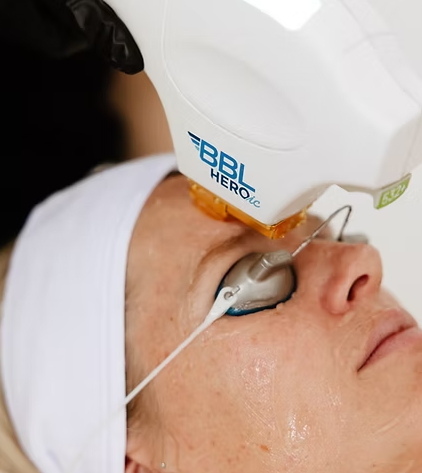
BBL is a light treatment designed to address pigmentation, redness, sun damage, vascular lesions and skin laxity. It uses IPL technology to warm up and remove the top layers of skin. This contained energy prompts cell turnover and produces collagen — both are necessary for a luminous, youthful complexion.

Since the treatment targets pigment and blood vessels, sun exposure before or after your appointment can disrupt results and heighten sensitivity. That’s why timing, protection and preparation matter more in summer.

So, Is BBL Safe in Summer?

The answer is yes—BBL is safe for summer as long as you choose your patient correctly and protect their skin well. Dermatologists and aesthetic practitioners administer BBL all year long, even in brutally hot places. Less about the weather and more about your skin condition, sun behaviour and your aftercare regime.

Here’s what makes a summer BBL safe:

Controlled Indoor Treatment

This process is done indoors and temperature outside does not affect it. The sun’s heat has no effect on the operation of the mechanisim or the safety of the treatment.

Technology Has Improved

Today’s BBL systems are more sophisticated and capable of delivering energy more accurately with better cooling to immediately minimize post-treatment inflammation; this means less risk.

Proper Pre- and Post-Care

To prevent darkening of your skin, adhering to SPF and avoiding sun exposure for a minimum 10–14 days around the treatment means as long as it’s not hot on the horizon, BBL is just as safe in summer as during winter.

Why Is BBL More Dangerous in the Summer?

Though treatment is safe, the season brings Its own challenges:

Higher UV Exposure

The more time you spend outdoors, the higher your odds of tanning, and pigmented skin is more active than its paler cousin. This can cause the light to scatter in unexpected ways at the skin’s surface which, in turn, causes hyperpigmentation or inconsistent treatments.

More Heat and Perspiration

Other possible side effects of heat include increased redness or swelling after BBL, which can cause the skin to feel more sensitive.

Beach Holidays and Travel

If you’re going to be somewhere sunny, or spend any amount of time in the sun, factor that into your treatment plan so that you’re not exposing newly treated skin to a hot sunny day.

How To Have Safe BBL Treatments In The Summer

You can, in fact, have BBL during the summer if you’re willing to take extra precautions.

Avoid Tanning (Self-tan included)

Your skin needs to be its natural baseline color (no tan; no spray tan, no self-tanner) for at least 14 days prior to treatment.

Commit to Daily Sunscreen

Apply a broad-spectrum SPF 30–50 every day, whether you’re going outside or not, and reapply if you step out; add a second layer for additional protection.

Put on Hats and Physical Sun Protection

Risk is also reduced by wearing wide-brim hats; carrying umbrellas; seeking shade whenever possible, particularly during peak sunlight hours — generally 10 a.m. to 2 p.m.; and staying in the shade when outdoors.

Plan Around Holidays

If you’re planning a trip to somewhere sunny, consider scheduling your BBL session at least 2–3 weeks prior or after your trip.

Follow Cooling Aftercare

If your practitioner recommends it, apply aloe vera or hyaluronic acid to cool and soothe the skin.

Who Are the Suitable Candidates of Summer BBL?

If you are in one of these groups, BBLs in the summer may typically be safe:

  • You do not tan a little or never try to get tanned
  • You live in a box for most of the day
  • You are consistent with sunscreen
  • You’re treating rosacea, redness or pigmentation, or are experiencing early aging influences
  • Post-treatment care can be followed correctly

On the other hand, if you will be spending your days at the beach for a week or in our mountains on vacation, or doing sports outdoors, then you may wish to wait until after traveling.

Why BBL in the Summer?

Please let me know how else you and your congregation are fighting climate change, and I may feature them in upcoming bulletins. Although the summer presents challenges, it also brings new opportunities for many:

Immediate Glow

BBL is fast, providing improved skin clarity and tone that a makeup-free summer virtually demands.

Clearer Pigmentation Early

Early sun damage treatments stave off the worst of the pigment discoloration as the season progresses.

Maintains Year-Round Skin Health

Regular BBL sessions every 3-4 months maintain the pigmentation and redness under control—any season.

If should YOU put off BBL in summer?

You should think about delaying the treatment if:

  • You have an active tan
  • There is no getting around hours of sun exposure in the days to come.
  • You have a recent sunburn
  • Excessive pigment activity is identified by your practitioner

The wait is necessary for the best, most effective results.

Final Verdict: ‌BBL Can Be Safe by Adopting Appropriate Strategies in Summer

Summer BBL is safe and effective in the right hands, with appropriate aftercare. It’s all about staying out of the sun, choosing sunscreen as a No. 1 priority and scheduling sessions to fit your lifestyle.

As long as you take the proper measures to protect your newly exposed skin, there’s no reason to steer clear of BBL in the summer. You can have clearer, smoother, glowing skin all summer long with good preparation.

How to choose the best brightening cream for hyperpigmentation

Hyperpigmentation — the dark spots, melasma, post-inflammatory marks — can seem impossible to get rid of, but a good brightening cream can help make those spots a distant memory. When it comes to choosing one, it’s all about matching the product to your skin, the kind of pigmentation you have, and using it consistently and safely. Here’s a helpful guide to assist you in making the right choice.

Recognize the Type of Hyperpigmentation (Step 1)

Not all dark spots are the same. Freckles and sunspots are different from melasma (often hormone-related) or post-inflammatory hyperpigmentation (marks left after acne or injury). Some respond better to topical therapy than others. If your pigmentation is new, spreading, or widespread, it’s best to see a dermatologist for proper evaluation and a personalised plan.

Look for Proven Active Ingredients

A brightening cream is only as effective as its ingredients. Look for formulas containing one or more of these evidence-backed actives:

  • Vitamin C (ascorbic acid): Antioxidant that brightens and evens out skin tone over time.
  • Niacinamide: Gentle, reduces pigment transfer and strengthens the skin barrier.
  • Azelaic acid: Ideal for acne-related dark marks and sensitive skin.
  • Tranexamic acid: Helpful for melasma and stubborn pigmentation.
  • Retinoids (retinol, tretinoin): Increase cell turnover and fade spots—can be irritating, so start slowly.
  • Kojic acid, arbutin, licorice extract: Plant-derived brighteners with mild but effective results.
  • Hydroquinone: One of the strongest topical brighteners; often prescription-only and requires medical supervision.
  • AHAs/BHAs (glycolic, lactic, salicylic acids): Chemical exfoliants that break down pigmented cells when used correctly.

No single brightening product will include all ingredients — and that’s okay. Choose based on your skin type, irritation threshold, and pigment concerns.

Consider Concentration, Formulation and Texture

Higher concentrations often act faster but can cause irritation. Beginners or sensitive skin types should start with lower strengths and increase only if tolerated. Creams are ideal for dry skin; gels or serums suit oily or acne-prone skin.

Packaging is important too: vitamin C and retinoids degrade with light and air, so choose opaque or pump-style packaging.

Tailor Ingredients to Your Skin Type and Sensitivities

If your skin is sensitive, opt for milder options such as niacinamide, azelaic acid, or low-dose vitamin C. For acne-prone skin, look for non-comedogenic formulas and consider salicylic acid or azelaic acid.

Avoid harsh physical scrubs — they may worsen pigmentation, especially in darker skin tones. Always patch test any new active before applying it to your entire face.

Safety: Patch Testing, Sun Protection and Pregnancy Concerns

Patch testing is essential. Apply a small amount to an area for a few days to ensure your skin tolerates it.

Many brightening agents increase sun sensitivity, so daily broad-spectrum sunscreen (SPF 30–50) is non-negotiable.

If you’re pregnant or breastfeeding, avoid certain ingredients (like strong retinoids) and consult your doctor.

Realistic Expectations and Consistent Use

Brightening creams take time — expect gradual improvement over 8–12 weeks, sometimes longer for deeper pigmentation. Consistency is key. Skipping sunscreen or irregular use slows progress.

If there’s little to no improvement after a few months, visit a dermatologist. Some pigmentation types improve faster when combining topical treatments with in-clinic procedures such as chemical peels or laser therapy.

When to See a Professional

Consult a dermatologist if your pigmentation is persistent, worsening, or if you are unsure which ingredients suit you. They can prescribe stronger treatments such as hydroquinone, tretinoin, or tailor-made combinations for faster and safer results.

Quick Checklist Before You Buy

  • Is the active ingredient appropriate for your type of pigmentation?
  • Is the concentration suitable for your skin sensitivity?
  • Is the product non-comedogenic and well-packaged?
  • Will you use it consistently with daily sunscreen?
  • Are you pregnant, nursing, or on medication — and have you checked if the product is safe?

Final Thoughts

Choosing the best brightening cream for hyperpigmentation comes down to understanding your skin, knowing which ingredients work, and managing expectations. Start slowly, be consistent, protect your skin from the sun, and don’t hesitate to seek professional advice.

With thoughtful selection and regular use, clearer, brighter, more even-toned skin is absolutely within reach.

Is cheek filler suitable for first-time patients?

If you’re new to cosmetic procedures, it’s natural to feel overwhelmed and uncertain. Cheek filler is extremely popular with first-time patients because you can see — and control — the results without undergoing surgery. But is cheek filler appropriate for someone who has never tried injectables before?

The short answer is yes — for many people, cheek filler can be a great place to begin. However, suitability always depends on your individual facial structure and aesthetic goals.

What Is Cheek Filler?

Cheek filler is a type of dermal filler, most commonly made from hyaluronic acid — a substance naturally found in the body. In aesthetic practice, products such as Juvederm and Restylane are frequently used.

The treatment is designed to:

  • Restore lost volume in the mid-face
  • Enhance cheekbone definition
  • Improve facial balance
  • Create subtle lifting of the lower face

Because the cheeks support overall facial structure, enhancing this area can create a noticeable yet natural-looking rejuvenation.

Why Cheek Filler Is Often Recommended for Beginners

Practitioners frequently recommend cheek filler as a starting treatment for first-time patients rather than areas such as the lips or jawline.

One reason is that cheek filler enhances your natural features rather than dramatically altering them. Subtle volume in the mid-face can refresh your appearance without making it obvious that you’ve had treatment. Many people simply receive comments like “you look well” or “you look rested.”

Additionally, the cheek area typically experiences less swelling compared to the lips, meaning downtime is often minimal. Mild swelling or tenderness may occur, but it usually settles quickly.

Another advantage is that hyaluronic acid fillers are temporary. If necessary, they can be dissolved with an enzyme called hyaluronidase, which provides reassurance for those new to cosmetic treatments.

What First-Time Patients Should Consider

Although cheek filler can be an excellent introduction to aesthetic treatments, it is still a medical procedure and should be approached carefully.

Facial Assessment Is Essential

A skilled practitioner will assess your facial proportions, skin quality, and overall structure before recommending treatment. Cheek filler works best when it complements natural contours rather than disrupting facial harmony.

For younger patients, treatment may focus on adding definition. For those noticing early signs of ageing, it may restore volume and create subtle lift.

Start Conservatively

A common concern among first-time patients is looking “overdone.” Conservative treatment is key. It is easier to add more filler later than to correct overfilling.

Gradual enhancement allows you to adjust to your refreshed appearance and decide whether further treatment is desired.

Maintain Realistic Expectations

Cheek filler can enhance and rejuvenate the face, but it does not replace surgical solutions for significant sagging or advanced ageing. A thorough consultation should clearly outline achievable results.

Is Cheek Filler Safe for New Patients?

When performed by an experienced and qualified medical professional, cheek filler is generally considered safe. However, as with any injectable treatment, potential risks include:

  • Bruising
  • Swelling
  • Temporary asymmetry
  • Rare vascular complications

Choosing a reputable clinic with strong anatomical knowledge and proper emergency protocols significantly reduces risks.

Who Might Not Be Suitable?

Cheek filler may not be appropriate if you:

  • Are pregnant or breastfeeding
  • Have certain autoimmune conditions
  • Have an active skin infection in the treatment area
  • Are seeking dramatic structural changes better suited to surgery

A comprehensive consultation will determine whether treatment aligns with your needs and medical history.

The Emotional Aspect of First Treatments

For many first-time patients, cheek filler is about more than appearance — it is about confidence. Feeling that your outward appearance reflects how you feel internally can be empowering.

However, cosmetic treatments should enhance confidence rather than replace it. Making thoughtful, informed decisions is essential.

Final Thoughts

Cheek filler can be an excellent starting point for first-time patients. It offers subtle enhancement, improved contour, and mid-face support with minimal downtime.

The key is choosing a skilled practitioner, beginning conservatively, and maintaining realistic expectations.

If you are considering cheek filler as your first aesthetic treatment, book a detailed consultation and ask questions. The right provider will guide you toward a personalised treatment plan that enhances your natural features safely and confidently.

While cheek filler can be suitable for beginners, every cosmetic decision should be individualised, carefully considered, and professionally guided.

Can dermal fillers be used alongside skin tightening treatments?

When it comes to non-surgical facial rejuvenation, patients are seeking treatments known for providing subtle, yet noticeable results with minimal downtime. Two popular categories are dermal fillers and skin tightening procedures. However, one common question that pops up during consultations is – can dermal filler be used in conjunction with skin tightening treatments?

The brief answer is yes — in the hands of a skilled doctor, these treatments can work together like milk and cookies. In reality, a combination of the two is often what creates the most balanced, natural results.

Understanding Dermal Fillers

Injectable dermal fillers are specially formulated to add lost fullness to the face or hands, create contour, and reduce lines and creases. As you get older, the body starts to produce less collagen, elastin, and hyaluronic acid. This results in volume reduction in certain areas of the face: cheeks, temples, jawline and around the eyes.

Fillers work by:

  • Plumping deep cavities or sunken regions
  • Smoothing deep lines like nasolabial folds
  • Helping to plump and add volume to the lips or cheeks
  • Improving overall facial balance

Modern fillers, especially those made of hyaluronic acid, deliver instant results with very little downtime and can be dissolved or reversed if needed.

What Are Skin Tightening Treatments?

Skin tightening treatment is a non-surgical process that induces collagen production and tightens skin. These treatments are ideal for patients with mild to moderate sagging.

Common technologies include:

  • Radiofrequency (RF)
  • Ultrasound-based treatments
  • Laser therapies

These treatments operate by delivering controlled energy into the deep layers of skin, triggering collagen remodeling over time. Results are gradual and continue to improve over a few months following treatment.

Why Fillers and Skin Tightening Go Hand-In-Hand

The effects of ageing on the face are multifactorial. It is not only about loose skin, and it is not simply about volume loss — it is often a combination of the two. That’s why focusing on just one issue isn’t always the best option.

For example:

  • If someone has sagging skin along with significant volume loss, tightening the skin alone may not recreate a youthful look.
  • If volume is replaced with fillers without addressing skin laxity, the results may not appear lifted enough.

By combining both approaches, providers can address structural volume loss and skin laxity at the same time. This results in a more harmonious and natural rejuvenation.

Can You Have Both Treatments?

Yes, dermal fillers and skin tightening treatments can be used together when properly planned. Timing is key, as well as the treatment strategy.

In many cases:

  • Skin tightening treatments may be performed first to stimulate collagen and firm the skin.
  • Fillers can be administered during the same visit (depending on the treatment type) or scheduled a few weeks later.

The sequence depends on the type of technology used, the treatment area, and individual goals. A proper consultation and facial assessment are necessary to determine the safest and most effective plan.

Benefits of Combining Treatments

Patients who combine dermal fillers with skin tightening often experience:

  • Enhanced lift and contour
  • Improved skin firmness and texture
  • More natural-looking results
  • Longer-lasting overall rejuvenation

Addressing both skin laxity and volume loss reduces the risk of overfilling and helps maintain balanced facial proportions.

Who Is a Good Candidate?

This combination approach is well suited for individuals who:

  • Have mild to moderate skin laxity
  • Notice hollowing in areas like the cheeks or temples
  • Prefer non-surgical facial rejuvenation
  • Want gradual, natural improvements

Patients with significant skin laxity may require surgical options for more dramatic correction. A personalised assessment is essential to determine suitability.

What to Expect After Treatment

Recovery time is typically minimal. You may experience:

  • Mild swelling or bruising from fillers
  • Temporary redness from skin tightening procedures

Most patients resume normal activities within a day or two. Filler results are visible immediately (with final results once swelling settles), while skin tightening improvements develop gradually over several weeks.

The Importance of Professional Evaluation

Expertise and a strong understanding of facial anatomy are critical for safe and successful combined treatments. Filler placement without considering skin quality can lead to suboptimal results. Similarly, tightening alone may not achieve ideal outcomes if structural support is not restored.

A skilled practitioner will evaluate:

  • Facial proportions
  • Skin elasticity
  • Volume loss patterns
  • Overall aesthetic goals

This comprehensive approach ensures that treatments complement one another rather than compete.

Final Thoughts

Can you combine dermal fillers with skin tightening treatments? Absolutely. In many cases, this dual approach offers one of the most effective non-invasive strategies for facial rejuvenation.

By correcting both volume loss and skin laxity, patients can achieve balanced, refreshed results that enhance rather than alter their natural features. A tailored treatment plan and expert delivery are essential for optimal outcomes.

If you are considering facial rejuvenation, booking a consultation with an experienced aesthetic professional will help determine the right combination for your skin and long-term goals.

When it comes to non-surgical facial rejuvenation, patients are seeking treatments known for providing subtle, yet noticeable results with minimal downtime. Two popular categories are dermal fillers and skin tightening procedures. However, one common question that pops up during consultations is – can dermal filler be used in conjunction with skin tightening treatments?

The brief answer is yes — in the hands of a skilled doctor, these treatments can work together like milk and cookies. In reality, a combination of the two is often what creates the most balanced, natural results.

Understanding Dermal Fillers

Injectable dermal fillers are specially formulated to add lost fullness to the face or hands, create contour, and reduce lines and creases. As you get older, the body starts to produce less collagen, elastin, and hyaluronic acid. This results in volume reduction in certain areas of the face: cheeks, temples, jawline and around the eyes.

Fillers work by:

  • Plumping deep cavities or sunken regions
  • Smoothing deep lines like nasolabial folds
  • Helping to plump and add volume to the lips or cheeks
  • Improving overall facial balance

Modern fillers, especially those made of hyaluronic acid, deliver instant results with very little downtime and can be dissolved or reversed if needed.

What Are Skin Tightening Treatments?

Skin tightening treatment is a non-surgical process that induces collagen production and tightens skin. These treatments are ideal for patients with mild to moderate sagging.

Common technologies include:

  • Radiofrequency (RF)
  • Ultrasound-based treatments
  • Laser therapies

These treatments operate by delivering controlled energy into the deep layers of skin, triggering collagen remodeling over time. Results are gradual and continue to improve over a few months following treatment.

Why Fillers and Skin Tightening Go Hand-In-Hand

The effects of ageing on the face are multifactorial. It is not only about loose skin, and it is not simply about volume loss — it is often a combination of the two. That’s why focusing on just one issue isn’t always the best option.

For example:

  • If someone has sagging skin along with significant volume loss, tightening the skin alone may not recreate a youthful look.
  • If volume is replaced with fillers without addressing skin laxity, the results may not appear lifted enough.

By combining both approaches, providers can address structural volume loss and skin laxity at the same time. This results in a more harmonious and natural rejuvenation.

Can You Have Both Treatments?

Yes, dermal fillers and skin tightening treatments can be used together when properly planned. Timing is key, as well as the treatment strategy.

In many cases:

  • Skin tightening treatments may be performed first to stimulate collagen and firm the skin.
  • Fillers can be administered during the same visit (depending on the treatment type) or scheduled a few weeks later.

The sequence depends on the type of technology used, the treatment area, and individual goals. A proper consultation and facial assessment are necessary to determine the safest and most effective plan.

Benefits of Combining Treatments

Patients who combine dermal fillers with skin tightening often experience:

  • Enhanced lift and contour
  • Improved skin firmness and texture
  • More natural-looking results
  • Longer-lasting overall rejuvenation

Addressing both skin laxity and volume loss reduces the risk of overfilling and helps maintain balanced facial proportions.

Who Is a Good Candidate?

This combination approach is well suited for individuals who:

  • Have mild to moderate skin laxity
  • Notice hollowing in areas like the cheeks or temples
  • Prefer non-surgical facial rejuvenation
  • Want gradual, natural improvements

Patients with significant skin laxity may require surgical options for more dramatic correction. A personalised assessment is essential to determine suitability.

What to Expect After Treatment

Recovery time is typically minimal. You may experience:

  • Mild swelling or bruising from fillers
  • Temporary redness from skin tightening procedures

Most patients resume normal activities within a day or two. Filler results are visible immediately (with final results once swelling settles), while skin tightening improvements develop gradually over several weeks.

The Importance of Professional Evaluation

Expertise and a strong understanding of facial anatomy are critical for safe and successful combined treatments. Filler placement without considering skin quality can lead to suboptimal results. Similarly, tightening alone may not achieve ideal outcomes if structural support is not restored.

A skilled practitioner will evaluate:

  • Facial proportions
  • Skin elasticity
  • Volume loss patterns
  • Overall aesthetic goals

This comprehensive approach ensures that treatments complement one another rather than compete.

Final Thoughts

Can you combine dermal fillers with skin tightening treatments? Absolutely. In many cases, this dual approach offers one of the most effective non-invasive strategies for facial rejuvenation.

By correcting both volume loss and skin laxity, patients can achieve balanced, refreshed results that enhance rather than alter their natural features. A tailored treatment plan and expert delivery are essential for optimal outcomes.

If you are considering facial rejuvenation, booking a consultation with an experienced aesthetic professional will help determine the right combination for your skin and long-term goals.

Does Aesthetic Body Contour Treatment Work for Body.Reco Making?

One of the most polarizing topics that we discuss in aesthetic medicine is body sculpting. There are lots of people that would like to improve their contours without surgery, with long recovery time, and you want them back on the dance floor. But an important question lingers: Can aesthetic body treatments really contribute to body sculpting?

The short answer is yes — but not with starry-eyed expectations. Let’s take a closer look at how these treatments work, what they’re appropriate for and what results you can realistically achieve.

What Is Body Sculpting?

What is body sculpting or contouring? These treatments focus on:

  • Reducing stubborn fat
  • Tightening loose skin
  • Improving body definition
  • Enhancing natural contours

Weight Loss Programs Vs Body Sculpting As opposed to weight loss programs, body sculpt is not specifically about dropping weight. Instead, it addresses areas that don’t respond to diet and exercise, like the abdomen, thighs or flanks.

What is the Mechanism of Action of Aesthetic Body Treatments?

Contempo facial treatments have incorporated the latest technology in their treatments and can help you to reduce fat cells, tighten skin or stimulate your collagen. Below are some of the most popular non-surgical body sculpting modalities:

  • Fat-freezing (cryolipolysis)
  • Radiofrequency treatments
  • Ultrasound-based fat reduction
  • Muscle stimulation devices

Fat-freezing procedures, including CoolSculpting, use freezing to reduce fat cells under the skin. The body then eventually discard these cells.

Radiofrequency-based treatments, such as Emsculpt, sculpt the muscles and that area of fat by causing intense muscle contractions to tone while slimming down stubborn pockets of fat in the area.

They’re in-clinic procedures that, for the most part, have some to no downtime at all — causing them to be irresistibly tempting to anyone with a packed schedule.

Do These Treatments Actually Shrink Fat?

Yes — nonsurgical body sculpting treatments can eliminate fat in targeted areas. Clinically, the reduction of fat after treatments such as cryolipolysis and focused ultrasound are measurable.

But, it’s also necessary to note that the results are not as dramatic as those attained through surgical solutions such as liposuction. The majority of treatments will decrease the fat in a targeted area by a certain percentage, not drastically change your overall size.

Results typically appear after several weeks as the body removes the treated fat cells.

What About Skin Tightening?

Body sculpting is not just about slimming fat. Collagen is also who can many aesthtic treatments promote collagen production, tightening and smoothing skin.

The deeper layers of the skin are heated using radiofrequency or ultrasound to stimulate collagen remodelling. This is the best option for mild to moderate skin laxity particularly after weight loss or pregnancy.

Having said that, these are not a substitute for skin removal surgery if there is too much loose skin.

Who Is a Good Candidate?

Candidates for Aesthetic Body Procedures Generally, Ideal Candidates for aesthetic body procedures are those who:

  • Are at, or near, their target weight
  • Have pockets of fat that won’t go away
  • Maintain a healthy lifestyle
  • Have realistic expectations

They are not to be used as treatments for obesity. For contour shaping rather than creation they are perfect.

Those who supplement treatments with regular exercise and healthy diet tend to maintain results for longer.

How Long Do Results Last?

The fatty cells that are killed will be permanently ejected from the body. But the fat cells that remain can still grow if lifestyle habits change.

That means the results can potentially be longer-lasting — but it depends on diet, exercise and overall health.

Results for skin-tightening can lose their power of the years, even as natural aging persists you may need to remedy once, possibly twice annually.

Are There Any Risks?

When done by experienced providers, noninvasive body sculpting treatments are generally safe. The most common adverse effects are mild and transient, including :

  • Redness
  • Swelling
  • Tenderness
  • Temporary numbness

Most of the complications are relatively rare although such events do occur and can be serious if treatments are improperly done. A seasoned and qualified practitioner is critical to select.

Are Aesthetic Body Treatments a Replacement for Surgery?

Short answer, no. Non-surgical body contouring is a great option for someone simply looking for modest improvement with no downtime. But for patients with more fat or slack skin, surgical procedures may provide a more noticeable improvement.

The advantage of cosmetic procedures is the ease with which they can be performed, lower associated risks, and shorter recovery.

Setting Realistic Expectations

Unrealistic expectations are one of the top reasons people end up disappointed with body sculpting treatments. These procedures refine and enhance — they are not magically transformative of your body overnight.

Results are slow, gentle, and very cumulative. Others might need more than one session to achieve the desired results.

When taken with a pinch of salt and approached reasonably, aesthetic body treatments can be highly rewarding and confidence-enhancing.

Final Thoughts: Do They Help?

Yes, it’s true that aesthetic body treatments can provide benefits for body sculpting — particularly in terms of contour refinement, targeted fat reduction and mild skin tightening.

They’re best implemented for individuals who are already living a healthy lifestyle and are simply looking to target those stubborn areas, which they’ve most likely not been able to fix via traditional techniques. And while they are unlikely to take the place of surgery or major weight loss programs, they can present a prospect that is safer and more affordable for many people.

If you are thinking about body sculpting, the first and most crucial step is a consultation with an experienced aesthetic practitioner. While we would need to assess you personally, our skilled providers will be able to determine if CoolSculpting might be the right solution for your body goals.

If you have a good approach and don’t expect too much, aesthetic body treatments play an important role in body contouring and confidence-building.

Are private cardiology tests faster than NHS testing?

When heart investigations are recommended, one of the biggest concerns for patients is how quickly the tests can be arranged. Whether you are experiencing chest pain, palpitations, breathlessness, or have been told your ECG is abnormal, waiting for answers can be stressful. This often leads to an important question: do private cardiology tests offer faster access than the NHS?

The short answer is that private cardiology assessments are generally available more quickly. However, the full picture depends on your symptoms, urgency, and NHS service availability in your area.

Understanding NHS Cardiology Waiting Times

Within the NHS, cardiology investigations are prioritised based on clinical urgency. If your GP suspects a serious or life-threatening condition, you may be referred under a two-week urgent pathway. In cases where a heart attack or unstable angina is suspected, patients are treated immediately through emergency services.

However, for non-urgent symptoms, waiting times can be longer. Routine cardiology referrals may take several weeks or even months, depending on demand, staffing levels, and regional pressures. Investigations such as echocardiograms, 24-hour ECG monitors (Holter monitoring), exercise stress tests, and CT coronary angiography are scheduled according to clinical priority and availability.

The NHS provides high-quality clinical care, but it operates within funding and capacity constraints. This can sometimes result in longer waits for routine or precautionary investigations.

How Private Cardiology Testing Works

Private cardiology services operate separately from NHS waiting lists. Appointments are typically available within days rather than weeks, and consultations and diagnostic tests can often be arranged in the same week.

One of the main advantages of private cardiology care is flexibility. Appointments may be offered outside standard working hours, and follow-up tests can usually be arranged without significant delay. In some cases, private cardiologists can perform ECGs or echocardiograms during the same appointment.

This streamlined approach is particularly appealing to patients who:

  • Want reassurance quickly
  • Are experiencing ongoing symptoms
  • Prefer flexible appointment times
  • Have private medical insurance

Comparing Speed: NHS vs Private

For routine, non-urgent cases, private cardiology testing is generally faster. The difference can be significant, especially in areas where NHS waiting lists are under pressure.

However, urgent and emergency cardiac cases are prioritised immediately within the NHS. In these situations, NHS care can be just as fast — and sometimes faster — due to established emergency pathways.

For non-emergency investigations, private care typically offers:

  • Shorter time to first consultation
  • Quicker access to imaging and monitoring
  • Faster follow-up discussions of results

The trade-off, of course, is cost. Private testing must be self-funded or covered by insurance.

Are Results Provided More Quickly?

Another factor to consider is how quickly you receive your results. In private practice, results are often reviewed directly with the cardiologist during or shortly after testing. Written reports are commonly available within a few days.

Within the NHS, reporting times can vary depending on workload. While urgent cases are prioritised, routine investigations may take longer to be formally reported.

If speed of diagnosis is important to you, private testing may provide quicker clarity.

Does Faster Mean Better?

Faster access does not necessarily mean better clinical care. Many private cardiologists are also NHS consultants. The standards of training, regulation, and clinical expertise are the same in both systems.

The main differences lie in waiting times, convenience, and flexibility — not medical quality.

Some patients choose a blended approach, attending a private consultation for faster diagnosis and then transferring back to the NHS for ongoing treatment if required.

When Might Private Testing Be Worth Considering?

Private cardiology assessment may be worth considering if:

  • You have ongoing symptoms but face a long routine NHS wait
  • You want reassurance quickly
  • You need investigations before travel or surgery
  • You have insurance coverage

However, if you experience severe symptoms such as sudden chest pain, collapse, or signs of a heart attack, you should seek emergency medical care immediately. The NHS emergency system is designed to respond rapidly in these situations.

Final Thoughts

So, are private cardiology tests faster than NHS testing? In most routine cases, yes — private assessments can usually be arranged more quickly, with faster access to investigations and results.

That said, the NHS provides high-quality, urgent cardiac care efficiently and at no direct cost to the patient. The right choice depends on your clinical urgency, personal preferences, and whether quicker access justifies the expense.

If you are unsure, speaking with your GP is always the best first step. They can assess your symptoms and advise whether urgent NHS referral is appropriate or whether exploring private cardiology options may be suitable.

When it comes to heart health, timely diagnosis matters — but so does choosing the pathway that feels right for you.

What Type of Body Contouring Treatments are Available From a Medical Aesthetic Clinic?

If you’ve asked yourself if there is a medical aesthetic clinic that offers body contouring treatments, then the answer is simple: Yes, many. Indeed, body contouring is among the most demanded non-invasive treatments in contemporary aesthetic medicine. But the treatments being offered, and the expertise behind them, can differ from clinic to clinic.

Understanding what body contouring is — and how medical aesthetic clinics approach it — can help you make a confident and informed decision.

What Is Body Contouring?

Stubborn fat and loose skin are two of the most difficult body concerns to address with diet and exercise alone. Body contouring refers to treatments designed to enhance body shape by reducing localized fat, tightening loose skin, and improving overall definition.

Unlike traditional weight loss methods, body contouring specifically targets areas resistant to lifestyle changes, such as:

  • Abdomen
  • Thighs
  • Flanks
  • Arms
  • Under the chin

Medical aesthetic clinics typically offer non-surgical or minimally invasive body contouring options. These treatments are designed to reduce fat, improve skin tone, and enhance contours without the need for surgery.

Common Body Contouring Treatments Available

Most reputable medical aesthetic clinics provide advanced body sculpting technologies. While offerings vary depending on the clinic’s expertise and equipment, common treatments include:

Fat Reduction Treatments

Non-invasive fat reduction devices often use one of the following technologies:

  • Cryolipolysis (fat freezing)
  • Radiofrequency energy
  • Ultrasound technology

These methods target and break down fat cells, which are then naturally eliminated by the body. They are ideal for individuals close to their target weight who struggle with stubborn fat pockets.

Skin Tightening Procedures

Loose skin caused by aging, pregnancy, or weight loss can be improved with skin tightening treatments. Radiofrequency and collagen-stimulating devices are commonly used to boost natural collagen production, helping firm and tighten lax areas.

Injectable Body Contouring

Some clinics also offer injectable fat-dissolving treatments, particularly for smaller areas such as under the chin. These treatments are administered by medically trained professionals following a thorough assessment.

Why Choose a Medical Aesthetic Clinic?

The main difference between a medical aesthetic clinic and a beauty salon is medical oversight. Body contouring treatments affect deeper layers of tissue and should only be performed by qualified professionals.

Medical clinics provide:

  • Licensed and medically approved devices
  • Proper consultation and risk assessment
  • Personalized treatment planning
  • Higher safety standards

A comprehensive consultation is a key advantage. During this appointment, your practitioner will assess your medical history, body composition, and expectations before recommending a suitable treatment plan.

Who Is a Good Candidate for Body Contouring?

Body contouring is not a substitute for weight loss surgery or a treatment for obesity. Ideal candidates typically:

  • Are close to their ideal body weight
  • Maintain a stable lifestyle
  • Want to target specific stubborn fat areas
  • Have realistic expectations

A medical professional will determine whether you are suitable for treatment and may recommend combining contouring with lifestyle improvements for optimal results.

Are Results Permanent?

Many non-invasive fat reduction treatments permanently destroy treated fat cells. However, new fat cells can develop if significant weight gain occurs. Maintaining results requires a healthy diet and regular exercise.

Skin tightening treatments may require maintenance sessions over time, as the natural aging process continues.

Is Body Contouring Safe?

When performed by experienced professionals in a licensed medical aesthetic clinic, body contouring treatments are generally safe. Common side effects may include temporary redness, swelling, or mild tenderness.

Choosing a reputable clinic significantly reduces risks and improves the likelihood of achieving safe and effective results.

What to Look for in a Clinic

Before booking treatment, research the clinic carefully. Look for:

  • Qualified medical professionals
  • A transparent consultation process
  • Clear explanation of risks and benefits
  • Before-and-after examples
  • Honest discussion of expected results

A reputable clinic will prioritize patient safety and education over sales.

Final Thoughts

So, what type of body contouring treatments are available from a medical aesthetic clinic? Many clinics offer a range of non-surgical fat reduction, skin tightening, and injectable contouring options using advanced technology and medical expertise.

If you are considering body contouring, the first step is to schedule a professional consultation. This allows you to understand your options, evaluate suitability, and create a personalized plan tailored to your body goals.