Perusta sinäkin oma Blogaaja.fi blogi ilmaiseksi >>
Lainaa.com

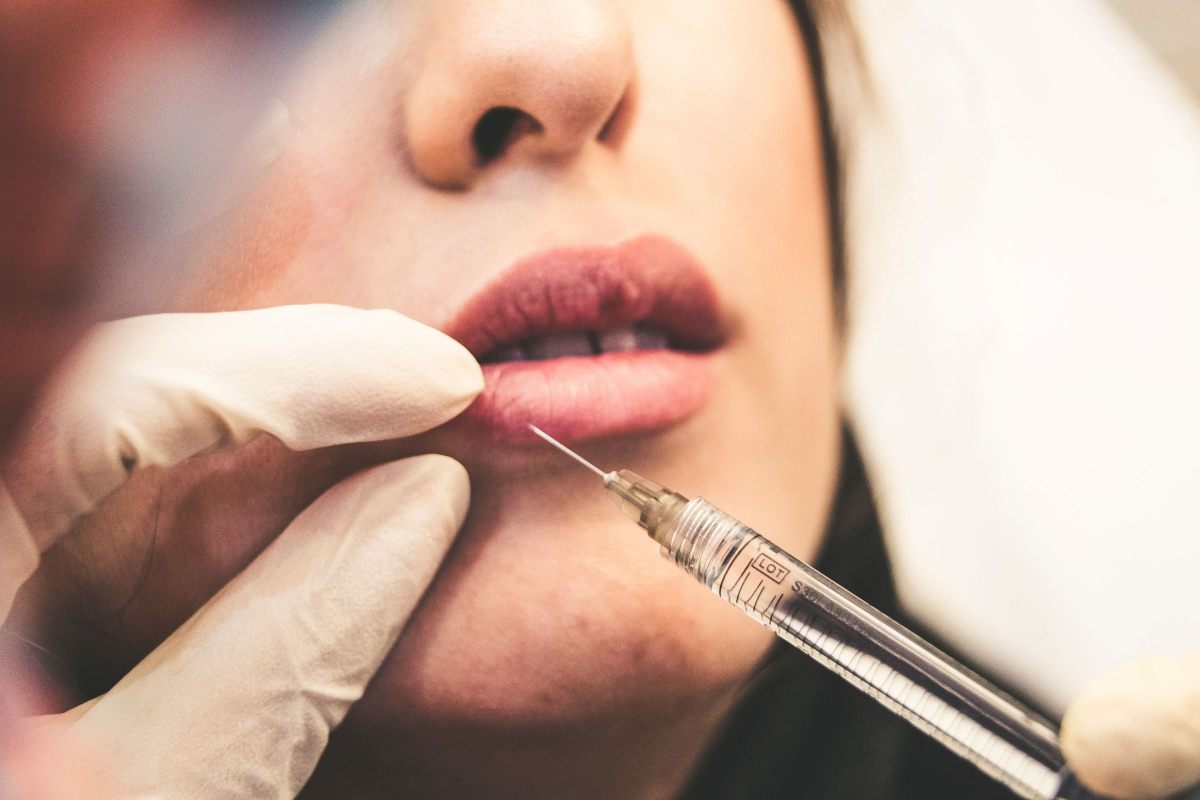
Will Botox change my natural facial expressions?

Kind of a dream scenario.) If you’re considering Botox for the first time, one of the most burning questions likely on your mind is whether or not it will make you look “frozen” or otherwise unnatural. It’s a completely valid question. I mean after all, you do use your facial expressions when you talk to others and connect with them.

The short answer? When administered properly by a skilled medical provider, Botox should not alter your normal facial expressions. Rather, it erases certain lines without erasing the way you look and move.

Let’s explore why.

What Is Botox and What Does It Do?

Botox is a purified version of botulinum toxin type A. In the world of aesthetics, it’s applied in minute, highly controlled doses to paralyze specific facial muscles.

Repetitive muscle movement is mostly responsible for facial wrinkles. Whenever you smile, scowl, squint or raise your brows, small muscles contract. Repeated over and over again, these movements make dynamic lines — but like:

  • Forehead lines
  • Frown lines between the eyebrows
  • Crow’s feet around the eyes

Botox temporarily weakens these muscle contractions. It doesn’t remove your muscles, damage nerves or permanently alter your face. The result is short-term and usually takes approximately three to four months.

Will It Make Me Look Frozen?

The “frozen face” appearance everyone is so worried about can typically occur for one of two reasons:

  • Too much product is used
  • It’s placed incorrectly

Contemporary aesthetic treatment is about the subtle, natural-looking results.out. Its aim is not to discourage you from sharing emotion — it’s to prevent overactive muscle movement that creates deep folds.

For instance, you should still be able to:

  • Smile naturally
  • Raise your eyebrows
  • Show surprise or concern
  • Frown gently

What you will see are that those harsh or deep creases soften, especially at rest.

It says plenty when a youth-obsessed society is at least in part aimed toward making people look older, albeit better-treated. A well-treated face should appear refreshed and not if restricted.

Does Botox Work on All Facial Muscles?

No. Botox is injected into selective muscle areas. It does not universally spread in the face when injected properly.

For example:

  • Frown lines Wrinkles can often be treated by blocking wrinkle-causing muscles, which are the corrugator and procerus (muscles between the brows).
  • The treatment of forehead lines involves the frontalis muscle.
  • The treatment of crow’s feet are muscles around the side of the eye.

All areas can be treated separately, dosing is titrated based on your inherent muscle strength, facial anatomy and aesthetic objectives.

And this is the customized way that keeps your original statement safe.

What About Emotional Expression?

Another prevalent concern is that Botox will cause you to look less expressive or emotionally unavailable.

The truth is that gentle treatment very often has the effect of making people seem more approachable. Deep frown lines can sometimes make a person look tired, stressed, sad or angry — even if they’re not. It can relax those lines and bring a calmer, more rested look – without losing the ability to make an emotive expression.

Indeed, many patients say their friends and colleagues tell them they look “well-rested” or “refreshed,” rather than pinpointing that they’ve had a treatment.

It’s About Technique and Experience

Success with Botox relies heavily on who does it.

A skilled practitioner will:

  • Before injecting, check the movement of your face.
  • Get you to frown, smile, and raise your eyebrows.
  • Adjust the amount according to your muscle movement
  • Avoid over-treating the forehead
  • Maintain natural brow position

One of the biggest reasons you wind up with a heavy or unnatural look has to do with over-treatment, especially on the forehead. Harmonious treatment achieves balance among all facial areas.

That is why you need a medical professional who’s also skilled and competent as an injector.

Can Botox Be Tailored If I’m Anxious?

Yes. And if you’re worried about looking unnatural, you can ease in conservatively.

Perhaps that is why some say you should go a bit lighter on the first round. This is so you can see how your face reacts and decide at the follow-up whether you’d like a touch more softening.

Its effects weaken over time, and Botox lasts only a few months anyway. Should you ever decide not to continue, your muscles will just revert back to their normal action in time.

Your facial structure does not change forever.

What Happens Immediately After Treatment?

Botox does not work instantly. For the first several day, you will still be able to move the muscles in your face. The effects generally start to be felt within 3 to 5 days, but it may take up to a week.

The transformation is also gradual, which helps it appear natural, said Dr. Mitra Ray, medical director of InVite Nutrition in New York City. There is no such thing as suddenly-exclaiming expres­sion.

The Bottom Line: Will Botox Alter My Natural Facial Expressions?

When Botox is done the right way, it does not remove your ability to communicate. It just relaxes the lines of repeated muscle movement.

You will still look like you — only a smoother, more refreshed version.

The 2 Key factors that shield your natural communication:

  • Conservative dosing
  • Personalised treatment planning
  • An experienced medical practitioner
  • Clearly talking about what you want

If your goal is improvement over enhancement, Botox can be a relatively safe and successful solution to maintaining an overall natural look while reducing those bothersome lines.

If you are not sure, a consultation is the best first step. An open conversation about your fears will enable you to have a treatment plan that can accommodate your facial expressions and bring back confidence.

What insulation thickness is recommended for a garden room?

More than an outdoor structure, a garden room is an extension of your home. Whether you’re turning it into a home office, gym, studio or just a place to have some peace and quiet, insulation is what makes it comfortable in any season. One question we get asked a lot is, “What thickness of insulation should I use in my garden room?”

The response will vary depending on how you intend to use the space, your climate, and what type of insulation material you select. But there are some rules of thumb to steer you in the right direction.

Why Insulation Thickness Matters

Insulation controls heat transfer. Inside it holds warm air during the winter; in the summer, it keeps excess heat out. The thicker the insulation, the better its thermal performance (referred to as its U-value – a low U-value means good insulation).

An insulated garden room will mean that:

  • Become too cold in winter and overheat in summer
  • Cost more to heat and cool
  • Develop condensation or damp issues
  • Be uncomfortable for daily use

If you’re funding a permanent garden room, insulation needs to match standards commonly associated with that of solidly formed house extensions.

What insulation thickness should I use on a garden room?

Floor Insulation

If you are using your garden room all year round, a typical floor insulation thickness for this is:

  • 75mm to 100mm

You might get away with 75mm if you’re using rigid insulation boards like PIR (polyisocyanurate) for example. For mineral wool and your looking at getting more towards 100mm to get the same thermal performance.

Good floor insulation is important as cold air comes up from the ground, particularly in raised or timber-framed garden rooms.

Wall Insulation

Walls typically applications where recommended thickness is:

  • 75mm to 100mm

The following is fairly common for high-power applications:

  • 75mm PIR board within timber stud work
  • Alternatively 100mm mineral wool for enhanced acoustic protection

For home office or living area use (as well as other types of use), you will want to look for insulation with a U-value in the vicinity of 0.18–0.28 W/m²K.

Added insulation may be necessary for colder climates.

Roof Insulation

Heat rises naturally, so it’s particularly important to insulate your roof. The recommended thickness is:

  • 100mm to 150mm

For best results:

  • 100mm PIR board can be used at flat roofs
  • Pitched Roofs: 150mm mineral wool can be used in pitched roofs

An inadequately insulated roof is the number one cause of heat loss in garden rooms so this is not an area to skimp.

Does Usage Affect Insulation Thickness?

Yes, significantly.

Occasional or Summer-Only Use

If the garden room will largely be used in summer, thinner insulation (about 50mm) may suffice. But it’s not good enough for chillier times of year.

Year-Round Use

For a garden room you’ll be using daily — as an office, say, or guest room — use domestic-level specifications. That means:

  • 75–100mm walls
  • 100mm+ roof
  • 75–100mm floor

That way you can be comfortable without breaking the bank on heating bills.

Choosing the Right Insulation Material

Thickness isn’t enough — the kind of insulation makes a difference, too.

PIR Insulation Boards

These provide less thickness with greater heat resistance. For instance, 75mm thick PIR can provide approximately the same thermal performance as 100mm mineral wool.

Advantages:

  • Excellent thermal resistance
  • Moisture resistant
  • Space-saving

Mineral Wool

Commonly used in timber-framed builds.

Advantages:

  • Good thermal performance
  • Excellent sound insulation
  • Fire resistant

Though, it usually takesa little more thickness to get the same U-value as PIR.

Building Regulations and Garden Rooms

For instances, garden rooms under 15m² or standalone buildings under 30m² may not need full building regulations approval. But if the space will be used as a bedroom or a space you’re in daily, insulation should meet those standards.

Even if laws do not apply, building up to higher insulation standards allows better energy efficiency and long-term comfort.

Climate Considerations

If you’re in a colder climate, you may even want thicker insulation. In hot summer climates insulation can reduce unwanted heat gain, so there is a benefit to having insulation in the floor.

Specific attention is necessary to avoid condensation problems in high humidity areas, keeping the insulation thickness and adding a vapour barrier.

Common Mistakes to Avoid

One of the most common mistakes is concentrating solely on wall insulation and neglecting the roof and floor. Heat is lost through all surfaces and hence insulation will need to be relatively consistent throughout the building.

Another error is cramming insulation so it fits into a cavity. This reduces its effectiveness. The depth of the cavity should be equal to the insulation thickness.

Lastly, air leaks around windows, doors and connections can diminish overall efficiency. Air sealing controls; even thick insulation will underperform if it’s not there.

What is the Best Insulation Thickness in General?

For a year-round, quality garden room you should generally:

  • Floor: 75–100mm
  • Walls: 75–100mm
  • Roof: 100–150mm

However, with the use of high performance materials such as PIR insulation boards slightly slimmer builds may be acceptable whilst maintaining a high level of thermal efficiency.

If you want your garden room to feel like a natural extension of your house (so warm in winter, cool in summer, and energy-efficient), then it’s worth investing in proper insulation from the off.

Final Thoughts

There is no one-size-fits-all answer for the thickness of insulation you should have in a garden room – it will depend what it’s used for. Thinner insulation could be sufficient for occasional use. For year round use, it is highly recommended to have residential level insulation thickness.

A well-insulated garden room is not just a nicety — it’s good value in the long term, saving energy and keeping your space durable. Choose the right thickness, and your garden room will be a working, liveable space in all 4 seasons.

Can chemical peels be used on the neck, chest, or back?

Chemical peels are well known as being a type of facial rejuvenation, but those who suffer with skin concerns they can often lie outside of the face. Neck, chest and back often are affected by pigmentation, acne, sun damage and uneven texture too. Which of course begs the question: can chemical peels be used safely and effectively on these areas?

The short answer is yes — but there are important caveats. Neck, chest and back skin is completely different than the face and should thus be addressed differently with treatment.

Understanding How Chemical Peels Work

All chemical peels employ a specially formulated solution — usually featuring ingredients such as glycolic acid, salicylic acid, lactic acid or trichloroacetic acid (TCA) — to peel away the skin surface. The regulated peeling action loosens and lifts away dead skin cells to exfoliate while accelerating the cell renewal process.

Peels are graded as superficial, medium or deep depending on the preparation and its strength. Superficial peels keep your skin glowing but deeper peels attack tough areas like pigmentation and scarring.

When used properly, peels can enhance:

  • Uneven skin tone
  • Sun damage
  • Fine lines
  • Acne and congestion
  • Post-inflammatory pigmentation
  • Rough texture

But use of these treatments outside the face should be at a physician’s discretion.

Chemical Peels for the Neck

Neck is one of the first areas where aging signs like crepey, pigmented, and horizontal lines start to appear. Although chemical peels are deployed in this area, the skin of the neck is thinner and more sensitive than that of the face.

For this reason, providers often opt for less potent formulations and may tailor contact time to the individual patient to minimize irritation or post-inflammatory hyperpigmentation. For the neck, most recommendations are for superficial peels.

When performed correctly, peels can:

  • Brighten dull neck skin
  • Improve mild pigmentation
  • Smooth fine lines
  • Enhance overall texture

Very strict aftercare, especially sun care as this is on the neck and gets a lot of UV!

Décolletage (Chest) Chemical Peels

The chest, and even the décolletage, bear years of chronic sun damage. People are often concerned about brown spots, redness or pigmentation that isn’t consistent.

Chemical peels are can be very effective in this regard, when applied correctly. Typically, superficial to medium strength peels are chosen based on extent of sun damage.

Some men’s chest skin is more sensitive than their facial skin so treatment plans may be a little less intense. RESULTS You may obtain better improvement with gentle peels in more than one session than a stronger single peel.

Peels on the chest can help:

  • Reduce sunspots
  • Improve uneven pigmentation
  • Refine rough texture
  • Stimulate collagen production

As with the neck, meticulous aftercare and vigilant SPF use are essential to deter complications.

Chemical Peels for the Back

It’s a different story from the rear. ”Back skin is thicker and tougher than the neck or chest,” adds Waldorf. This makes it especially beneficial for the following conditions:

  • Back acne (often called “bacne”)
  • Post-acne marks
  • Clogged pores
  • Uneven texture

They are often used for acne on the back, where they can penetrate oil glands and help reduce inflammation. Some medium-strength peels might be indicated under physician watch.

Due to the thicker skin, downtime is usually less than with facial treatments but expect some light peeling and redness.

Safety Considerations

Chemical peels can indeed be applied beyond the face, but they are not one size fits all. There are a number of things to consider before you do this:

  • Skin type and sensitivity
  • History of pigmentation issues
  • Commonly used skincare products (such as retinoids)
  • Recent sun exposure
  • Medical history

Those with darker skin types are at a greater risk of post-inflammatory hyperpigmentation if higher strength peels are used. So it is even more crucial to have a professional evaluation.

DIY or at-home peels are not to be underestimated, especially in sensitive places like neck and chest. Improper application can cause burns, scarring or long-term changes in skin pigmentation.

What to Expect During Recovery

Downtime is determined by the depth of the peel and area treated.

Mild redness and superficial flaking for a couple of days are possible with light peels. Medium peels may produce increased peeling and sensitivity.

For all treated areas:

  • Avoid sun exposure
  • Use broad-spectrum SPF daily
  • Avoid harsh exfoliants during healing
  • Follow professional aftercare advice carefully

The neck and chest, in particular, are areas for which sun exposure should be avoided if the best outcome is to be achieved and complications minimised.

Is Chemical Peel the Best Option for You?

It is possible for chemical peels to be a useful modality in the treatment of skin quality neck, chest and back. However, they should always be chosen according to the needs of the individual skin type and performed by professional experts.

For some people, other options like microneedling, lasers or medical grade skincare are available. What is agreed upon as a comprehensive consultation for the safest and most effective plan.

Final Thoughts

Yes, chemical peels can be performed safely on the neck, chest and back — but the treatment needs to be customized for each area’s specific features. The neck and chest are quite delicate so you need to be careful there with lighter skin, whereas on the back, I think it is fair to say that stronger formulations can often be tolerated.

When administered properly, chemical peels can treat pigmentation problems, texture issues, acne and other skin concerns not just on the face but elsewhere on the body which promotes a more even and youthful complexion.

If you’re thinking about getting a treatment, be sure to consult with a licensed professional who is able to evaluate the needs of your skin and guide you toward the best peel for your desired results.

Is Botox better than dermal fillers for wrinkles?

When it comes to smoothing out wrinkles and reversing the aging clock, most people think of two treatments: Botox and dermal fillers. Botox vs Dermal Fillers: Is Botox Better Than Dermal Fillers For Wrinkles?

The real answer is that it depends on what kind of wrinkles you have, what your goals are and the results you fillers that wish to achieve. Though both of these treatments will diminish the visible signs of ageing, they function very differently. Those differences need to be understood in order to choose the correct option.

Understanding Botox: How It Works

Botox is a highly purified form of the botulinum toxin which relaxes certain facial muscles for several months. Forehead lines, frown (between eyebrows) and crow’s feet are referred to as dynamic wrinkles. These develop as a result of frequent muscle motions — smiling, frowning, squinting or raising your eyebrows.

The way that Botox works is by blocking the nerve signals that prompt these muscles to contract. As these muscles relax, the skin that lies on top becomes smooth. The outcome is a smoother, more relaxed look with continued normal facial movement when properly prescribed.

The results usually begin to become apparent in a few days, and effects last from three to four months. Due to being fast and relatively mild, it is one of the most popular cosmetic procedures globally.

Botox is generally best for:

  • Forehead lines
  • Frown lines
  • Crow’s feet
  • Preventing deeper lines from forming

The Basics Part I: Dermal Fillers – How They Work

Dermal fillers Unlike Botox, dermal fillers don’t block nerve signals between the muscles and your brain. Instead, they replenishing lost volume under the skin. Our own collagen, elastin, and fat promote our skin’s tone and structure; as we age, these weaken. This causes sagging, hollowness and static wrinkles — lines that don’t go away, even when your face is at rest.

Many contemporary fillers are composed of hyaluronic acid, a naturally occurring substance in the body that draws moisture. When placed carefully, fillers add volume to the skin and fill in facial folds while sharpening contours.

Dermal fillers All of the above may be dermal fillers for:

  • Nasolabial folds (smile lines)
  • Marionette lines
  • Cheek volume loss
  • Lip enhancement
  • Jawline contouring

The effects are seen instantaneously and can remain for 6-18 months whether it’s from the type of filler given or the area treated.

So, Is Botox or Dermal Fillers Better?

The real question isn’t which treatment is better over all — but which is better for your particular kind of wrinkle.

Botox is typically the better option if your wrinkles are due to repetitive facial movements. It treats the underlying condition by decreasing the muscle activity that causes them.

If your wrinkles are the result of volume loss or skin laxity, dermal fillers may make more sense for you as they help rebuild structure and support under the skin.

Typically, the best looking comes from using a blend of treatments. Botox, for instance, can relax forehead lines; fillers can restore fullness to the cheeks and reduce smile lines. This holistic process covers the movement of muscles and the loss of its texture.

Safety and Natural-Looking Results

Both Botox and dermal fillers are safe when administered by a licensed medical expert. To me, the art of crafting natural-looking results is knowing facial anatomy, working with the most precise dosing possible and never over-treating.

Your facial expressions, quality of skin and volume loss will be evaluated by a trained clinician prior to advising on your bespoke plan. You certainly do not want your face to be frozen or to overfill features but you want the best for yourself and a more youthful and refreshed look.

Which Is the Right Choice for You?

If you are uncertain which type of wrinkles Botox or dermal fillers could treat, it’s important to consult with a professional. Your provider will look for dynamic wrinkles or static wrinkles, or both during your visit.

Younger patients, meanwhile, tend to start off with Botox as a preventive measure against the formation of deeper wrinkles. Fillers generally tend to work better on internal hollowing and sagging.

In the end, the most appropriate is what’s best for your anatomy and pattern of ageing and what fits well within your aesthetic goals.

Final Thoughts

Botox isn’t necessarily better than dermal fillers — and dermal fillers aren’t better than Botox. These are different products to treat different wrinkles.

Botox relaxes the muscles to help smooth out expression lines. Fillers are used to combat static facial depressions and wrinkles. Often, a mix and match technique results in the best natural, refreshed appearance.

If you’re thinking about a lift, seek an experienced doctor to have a consult and the safest, most effective treatment possible suited for your individual needs.

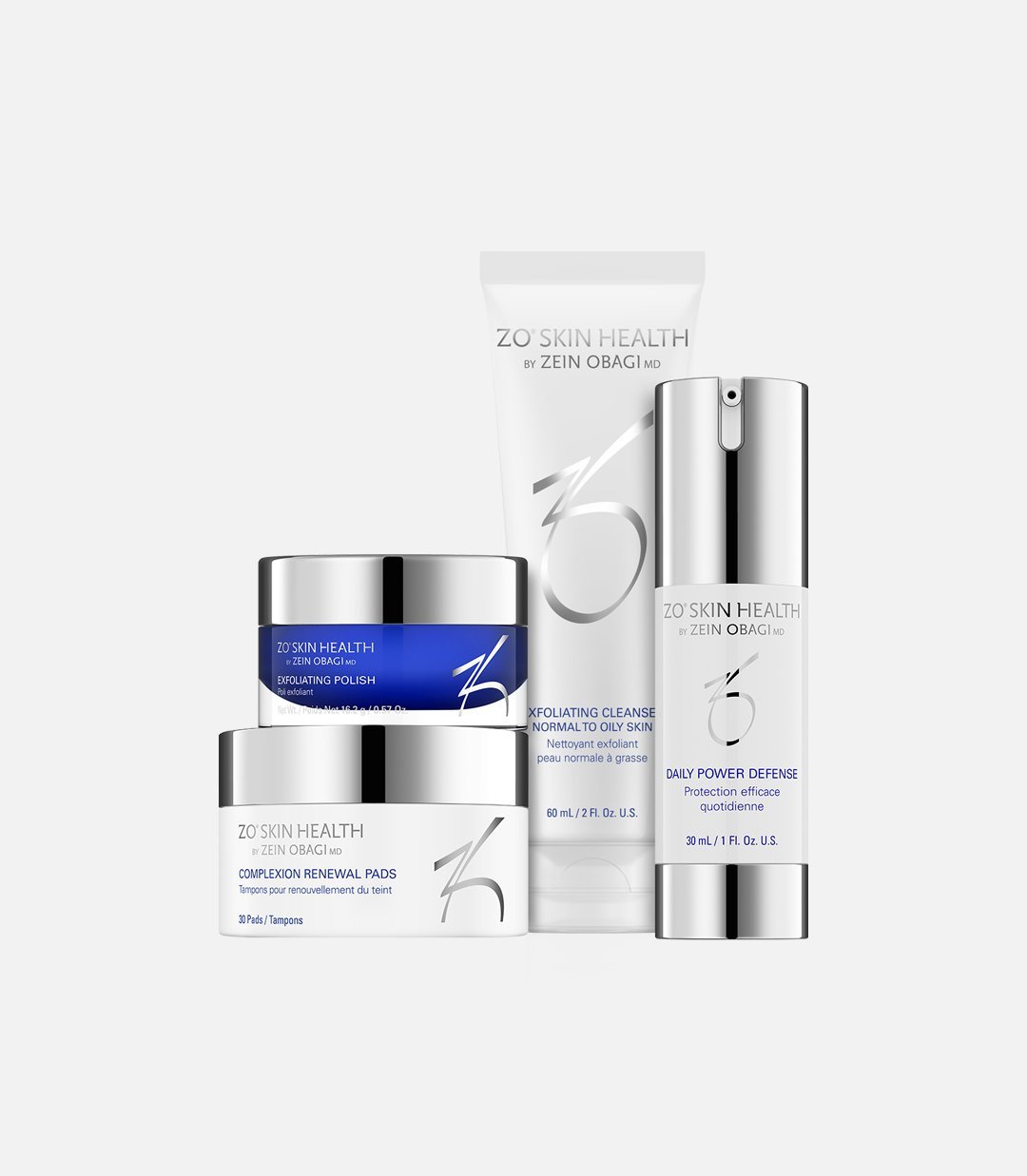
Can ZO Skin Health Really Treat Acne and Congestion?

People in face, quite confronting acne and blackheads belong to skin unfortunate common things, the lack of self-confidence it brings and everyday chores neglected putting strain on lives large and small. If you’re a teenager suffering through the monthly eruptions of puberty, or a grown woman dealing with constant plugged pores, a satisfactory and reliable repair strategy can seem like an unreachable ideal. ZO Skin Health, and the same question again: Does ZO Skin Health really help with acne and congestion? In the following, we will take a look at how this high-grade care line works and what kind of results one might hope for realistically.

Recognizing Acne and Skin Congestion

Before explaining how ZO Skin Health works, I must first define what acne and congestion are. Acne flare-ups occur when hair follicles fill up with oil, dead skin cells, and bacteria. Skin congestion refers to pore blockage caused by build-up of waste products; anyone suffering from blackheads or bumps, for instance, is said to have congested skin. Both are closely linked status; clogged pores help common inflammatory breakouts take turns.

Conventional treatment of acne often stresses clearing the pipes, throttling back bacterial growth and regulating production levels. But it also involves making sure that exfoliation is regular enough (to slough off old skin cells), as well as putting more general thought into how skin health matches up. In these respects, a well-regulated product category like ZO Skin Health plays its part.

What Is ZO Skin Health?

ZO Skin Health, a skin-care product line designed by Dr. Zein Obagi, a board-certified dermatologist most renowned for promoting methods which restore the skin to perfect health at the cellular level. Life would surely be easier for menopause patients everywhere if all you had to do was once weekly ear Trump on tape and then BAM! The wrinkles disappear and so do fine lines around your mouth, chin-line, eye sockets… oh where oh where could my youthful face have gone off to? ZO’s items aren’t just surface remedies, but are also designed and used by professionals to work deeper into skin tissue itself generating new and stronger textures of material because their products help put an end to your skin’s aggressiveness as well.Bethesda: Does ZO Skin Health Really Help Treat Acne

Bethesda: Does ZO Skin Health Really Help Treat Acneurus?

As opposed to simply covering up the symptoms, ZO blends prescription-level ingredients with antioxidant and anti-inflammatory components. In other words, the approach is actually to go after what causes acne congestion – not just to cover it up with products.

How ZO Skin Health Treats Acne and Congestion

Zo Skin Health offers several products and regimens formulated specifically to deal with acne and congested pores. Here’s how they work:

1. Exfoliation and Skin Cell Turnover

One of the main contributors to congestion in skin is an accumulation of dead cells. Dead cells that don’t shed properly co-mingle with sebum (oil), then close pores off. ZO products such as Exfoliating Cleanser and Weekly Peel use chemical exfoliants such as salicylic acid and lactic acid to remove dead skin, thus promoting the gentle turnover of cells. By keeping the skin’s surface fresh, these products help prevent blockages from forming which reduce the likelihood for blackhead and whitehead onset.

Oil Regulation

Excess oil is one of the main contributing factors for acne ZO formulas include ingredients to help regulate oil production without stripping away your skin’s natural moisture. For instance, products containing retinol — a substance that in nature occurs only in vertebrate tissue and which was originally discovered in cod liver oil — normalize sebum production while also making for a clearer, smoother complexion.

Anti-Inflammatory Activity

Acne is always accompanied by inflammation. Red, painful bumps and pustules are the signs of an immune response to bacteria trapped in clogged pores. ZO products often combine anti-inflammatory agents with antioxidants that calm irritation and reduce redness. This makes acne look not so bad, but it also aids in healing and minimizes scarring and pigmentation abnormality.

Anti-Bacterial Properties

Many ZO spot treatments include salicylic acid and other anti-microbial ingredients. They work to reduce the bacterial population on one’s skin—a major factor in the production of inflamed lesions.

Realistic Expectations for Results

What does ZO Skin Health actually do? As well as being used to set realistic expectations. Most users will note decreases in congestion, an increase in skin texture and fewer breakouts just from routine use alone. However, the results depend on many factors:

  • The severity of the acne: Mild to moderate congestion pans out faster than cystic or severe cases, which may call for added medical help.
  • Consistency: ZO products work just like most good skincare regimens in that to get results, you have to make an effort over a duration/expect to see change over weeks to months-not overnight.
  • Expert help: Some ZO products contain powerful active ingredients so consult a dermatologist or trained skin professional. This way you can be sure to use your products in the correct sequence and select the ones right for your skin type.

Who Should Consider ZO Skin Health?

  • For people with persistent clogged pores and blackheads,ZO Skin Health is a good choice.
  • For individuals who frequently experience inflammatory acne breakouts or need additional support in their skin-care routine. ZO Skin Health is an example of this.
  • If a person wants a dermatologist-recommended whole system rather than random products.
  • People who have tried over-the-counter solutions for their acne but could only see minimal improvement from that.

Still, it may not be for everyone. People with extremely sensitive skin may require gentler alternatives or a customized regimen to avoid irritation.

How to Get the Most Out of ZO Products

  • Especially with exfoliating or retinol products,start off slow to avoid irritation.
  • Follow directions carefully. Potent ingredients need proper layering and timing.
  • Protect your skin from the sun. Many acne-fighting products make your skin more sensitive to the sunlight, so a daily SPF is essential.
  • Get the professional touch. Regular visits to a dermatologist can help keep its progress under ion an drect it where necessary.

Summing up

Yes, you can ease acne and congestion by using ZO Skin Health products consistently and properly. With a decided effect on skin clarity, reduced congestion is accompanied by healthier, clearer skin at the same time. However, although it is not the panacea for every person out there, with a scientific approach ZO goes beyond simple acne care programs and offers a more comprehensive strategy.

If you want to reduce acne and congestion to a greater extent, why not investigate ZO Skin Health-that’s where it’s at. It’s best to do this under the supervision of a skin care professional.